Food/Drink

Cachaça – the Caipirinha Challenge

by Russ Slater

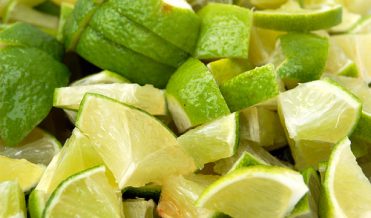
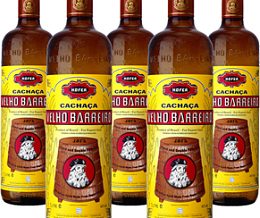
Last month we took a look at cachaça, the spirit of choice for Brazilians, and people visiting Brazil. Now, we’re going to look at some of the cachaças on the market, and find out which make for the best caipirinhas. Continue Reading

Cachaça – the unmistakable taste and flavour of Brazil

by Ed Hart

Latin America and the Caribbean are major producers of sugar cane and it’s rather more interesting by-products – aguardiente de caña (known as cachaça in Brazil) and rum. Brazil is the producer of aguardiente de caña par excellence – any visitor to the North East of the country cannot fail but notice the vast swaying sea of sugar cane. Continue Reading

Chicha – an ancestral beverage to feed body and soul

by Mary-Fleur Tordjmann

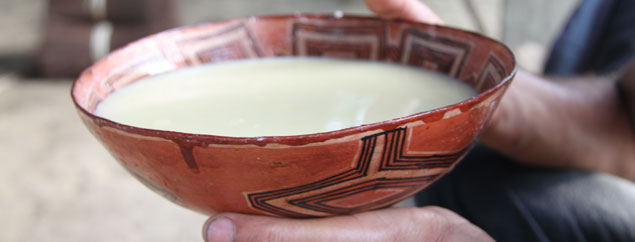
It is 7 am. I have just arrived in Canelos, a remote Kithwa community of the Pastaza Province, the oldest one in the whole Ecuadorian Amazonian jungle. I jump on the back of a camioneta, a pick-up used as public transportation, to get to the family house of Delia, the community chief’s wife. Women from all generations are gathered outside, in the open-air den, sharing a simple daily life moment. Continue Reading

Mate – sharing is a tradition

by Mary-Fleur Tordjmann

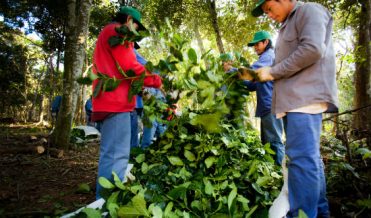
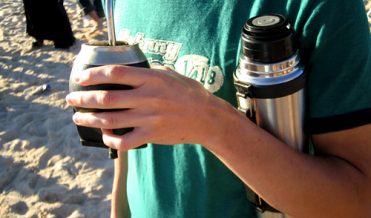
In the streets, in the bus, on the beach, at the office, at home… Wherever you go, you will see someone sipping it, with flask under their arm. What is it about? Mate. This drink refers to a type a tea, commonly named yerba, drank out of a plant shell gourd with a bombilla, a metal straw. Drunk for centuries by the indigenous, way before the arrival of the conquistadores, mate is still the Uruguayan national drink. More than a drink, it is a lifestyle, almost an art. Alone or in a group, drinking mate is ceremonial. Continue Reading

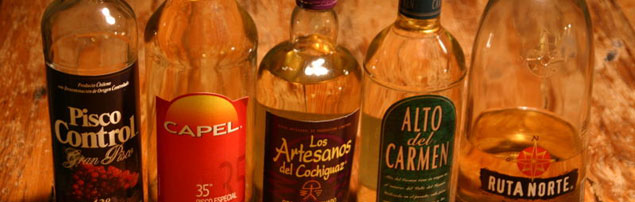
Pisco – Booze of the Gods!

by Ed Hart

When grapes came to the New World in the 16th century, first to the Parras, Coahuila, Mexico and later to Peru, Chile and elsewhere in South America, it was with the fervent devotees of the True Cross and the conquistadores. Whilst one was exercised in proselytizing the indigenous population, the other was setting up encomiendas (tribute in the form of labour etc.) and trousering the glittering prizes. What wine there was to be had – was devotional rather than recreational.

The origins of pisco, linguistically at least, come from the Quechua word for little bird, pisqu. The Pisco Valley, 150 miles south of Lima, the port of Pisco and the Ica region in which they lie – are at the heart of the origin, production and exportation of pisco.
Continue Reading

Delhi samples exotic flavours of Ecuador

by IANS

What binds Indian food to that of Ecuador, the South American nation straddling the equator? ‘Similarities in cooking technique,’ says visiting Ecuadorian celebrity chef Edgar Leon.

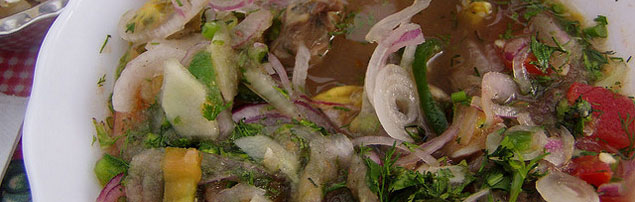
‘The way we prepare stock as a base for fish and meat dishes, the widespread use of potatoes, cinnamon flour and chillies to flavour our food, frying and grilling of food,’ chef Leon told IANS, listing the similarities. Continue Reading

Latin American News

World Circuit to Release Cumbia Cumbia on March 19th

World Circuit to Release Cumbia Cumbia on March 19th