Classic Authors

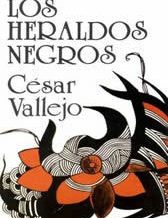
Human Potential: The Life and Work of César Vallejo

by Steven Totten

As the world continues to grow and expand at what seems like an unimaginable rate, so do our relationships. And it is these relationships, which we rely on heavily, that spawn our need to feel accepted and loved. Yet with the rapid expansion of our societies, it seems almost impossible to discover that kind of sublime euphoria of brotherhood — our responsibility to care for others, as well as be cared for, has inflated in the globalised world, and can seem like an overwhelming burden. Continue Reading

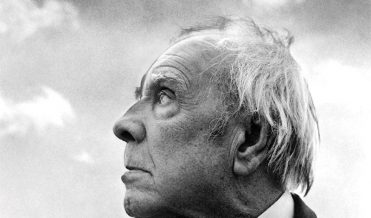
A Small Iridescent Sphere of Brilliance: Describing Jorge Luis Borges

by Irene Gimeno Espasa

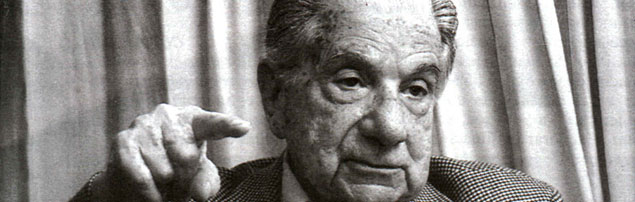
Some characters present a special difficulty when it comes to portray them: their legacy, their power in the field they master, the respect they command in their colleagues and audience, force the writer to raise the game in order to avoid disastrous comparisons when you are talking about them. Continue Reading

The Magic Realism of Gabriel Garcia Marquez

by Mark Briggs

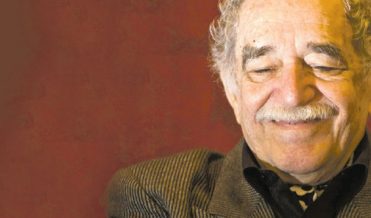
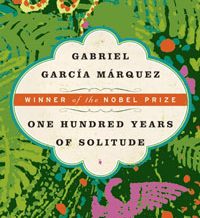
Gabriel Garcia Marquez is one of the most famous Latin American authors of all time. He won the Nobel Prize for Literature in 1982 and is best known for the novels One Hundred Years of Solitude and Love in the Time of Cholera. He has also become synonymous with magical realism a style that became popular as part of the Latin American boom in the middle of the last century. But what is magical realism and why did ‘Gobo’, as he’s affectionately known in the Americas, use it in his writing? Continue Reading

Power is a Tremendous Stigma: The Life and Times of Augusto Roa Bastos

by Mark Briggs

Born in Paraguay in 1917 he fought in South America’s bloodiest 20th century conflict. He lived in exile in Argentina and France before, in 1989 he received the Primero Cervantes, Spanish language’s highest literary award. Sounds and Colours takes a look at the life and legacy of Augusto Roa Bastos. Continue Reading

Spring with a Broken Corner – The Life of Mario Benedetti

by Irene Gimeno Espasa

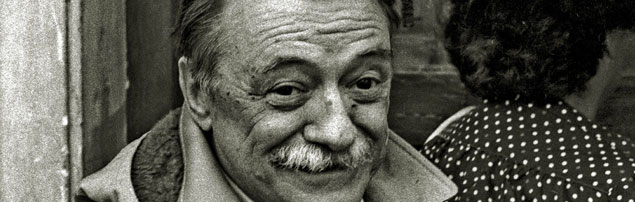
I clearly remember the news last year when Mario Benedetti passed away. For my British colleagues this may not have meant much more than any other death; however, for the Spanish-speaking world, this meant the death of some of our finest words and verses. Continue Reading

I Confess That I Have Lived: The Life of Pablo Neruda, South America’s finest poet

by Irene Gimeno Espasa

Tonight I can write the saddest lines.

Write, for example: “The night is shattered,
and the blue stars shiver in the distance.”

The night wind revolves in the sky and sings.

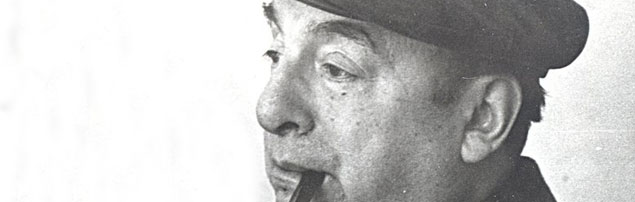
Chilean poet Pablo Neruda had one of those existences that do justice to life. He got a taste of happiness and love, of justice and heroism, as well as bitterness, sadness and exile. Continue Reading

Mario Vargas Llosa and the relationship between politics and journalism

by Andrew Wiles

Mario Vargas Llosa’s statement “literature is fire” provides both an insight into his views regarding the potent weight he feels literature may carry and also the effect that words can exert over him and, although the Peruvian writer’s political beliefs have shifted to the beat of Churchill’s epigram since he was the youngest of the big four comprising Latin America’s boom period, his love of writing has never wavered.
Continue Reading

Latin American News

World Circuit to Release Cumbia Cumbia on March 19th

World Circuit to Release Cumbia Cumbia on March 19th