Nature

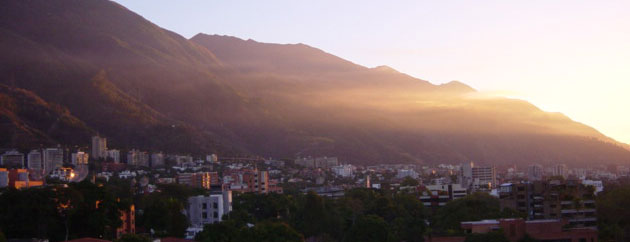
El Ávila: The Protective Lungs of Caracas

by Emily Brown

Santiago de Leon de Caracas – better known simply as Caracas – is the capital and largest city of Venezuela. Caracas is located in the northern part of the country, following the contours of the narrow Caracas Valley on the Venezuela coastal mountain range, the Cordillera de la Costa. Lying close to the Caribbean Sea, the Caracas valley is separated from the coast by the so-called “green guardian” – a steep mountain range rising north of Caracas, named Cerro El Ávila. Culminating at Pico Naiguatá, 2,765 meters above sea level (9,071 ft), the city’s many skyscrapers and multi-storey buildings sit dwarfed at the foot of this mountain, which nestles among the clouds. And it is here in these mountains that an unexpected refuge from the hustle and bustle of the city can be found. Continue Reading

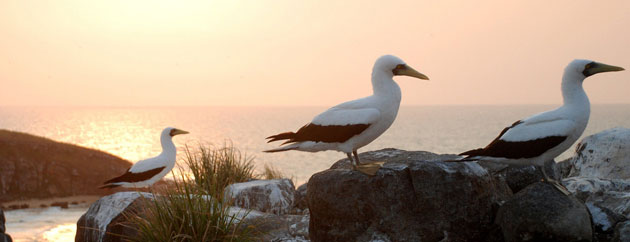
A sight to behold: Abrolhos Marine National Park

by Emily Brown

In the North-East of Brazil the state of Bahia is found, a vibrant and colourful region, glowing with a rich mixture of European and African influences. Baroque churches, Candomblé ceremonies, the unmistakable twang of the berimbau commanding a Capoeira roda, and the birthplace of Jorge Amado and apparently of chocolate. But the riches of Bahia are not only restricted to the cobblestone streets of places such as Olinda, or the dream-like beaches of its coconut-laden coast. There is also much to be explored away from the land. Jorge Amado may have written of a “Mar Morto”, but the sea surrounding Bahia is anything but dead. Continue Reading

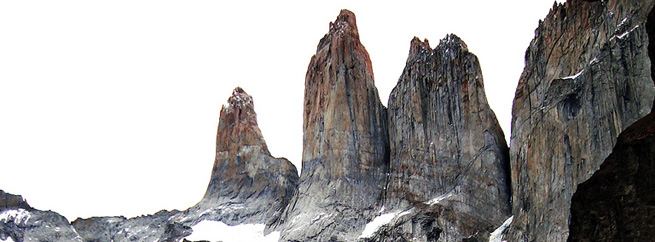
A wild but fragile Chile: Torres del Paine National Park

by Emily Brown

Torres del Paine National Park is found in the Última Esperanza province of Southern Chile , approximately 250km north of Punta Arenas. This 242,000 ha area is dissected by a complex physiography characterized by the Southern Patagonian Ice Fields and the Cordillera del Paine – an impressive mountain range that is claimed to rise over 3,000m. Continue Reading

A Jaguar’s warning? The rediscovered Tigre Delta

by Emily Brown

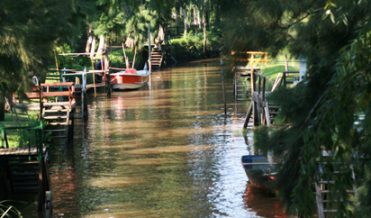
Writing about somewhere you have never been is always more difficult than somewhere that you are familiar with. Your perception of that place is shaped by things heard and read. The name of a place in itself can conjure certain images. And the Tigre Delta is no exception. Continue Reading

Ilha do Mel: it’s not all sweet in paradise

by Emily Brown

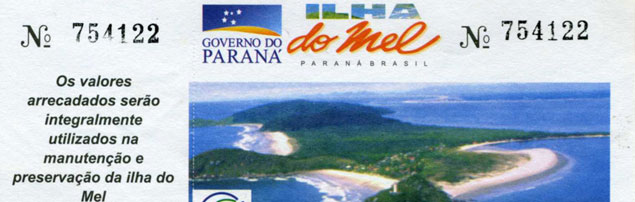
I first visited Ilha do Mel seven years ago, in 2004. Seven years seems a long time. But I can still distinctly remember the youthful excitement and anticipation at the thought of visiting this island, filled with promise of lush green forests and pristine beaches. No cars, no roads; an ecological paradise. When I think of those words “Ilha do Mel”, I’m filled with that fuzzy feeling that comes from memories so special that they seem even dream like, too good to have been true. Continue Reading

Capybara, the master of the grasses: pest or prey

by Emily Brown

Hydrochoerus hydrochaeris, kapiÿva, chigüire, ronosco, chigüiro, carpincho, capivara; this animal has been given many names. But perhaps the one that is most familiar to you is the capybara. This intriguing animal is the largest living rodent species and is found in much of South America, ranging from Panama through the eastern savannas of Colombia, Venezuela, Brazil, Ecuador, Peru, Paraguay and Uruguay to Northern Argentina. These animals roam densely forested areas, but they won’t be found far from water, as their Latin name suggests. Forests containing running or standing water, swamps and marshes, and flooded savannah can all provide good homes for the capybara. These animals cover this area in a home range of up to 50 acres (20 hectares).  Continue Reading

Latin American News

World Circuit to Release Cumbia Cumbia on March 19th

World Circuit to Release Cumbia Cumbia on March 19th